

AI and sustainability: the future of plastic management in the balearic tourism sector
Updated: Feb 27
In an archipelago where the balance between economic activity and the preservation of the marine environment is vital, innovation is our greatest ally. Save the Med has taken a strategic step toward the future of marine regeneration by leveraging cutting-edge technology.
Recently, the Foundation completed a groundbreaking technical and economic feasibility study for the evolution of the HAPI METHOD programme. The goal is ambitious yet essential: to integrate Artificial Intelligence (AI) to automate the diagnosis of plastic waste within the Balearic Islands' tourism sector.
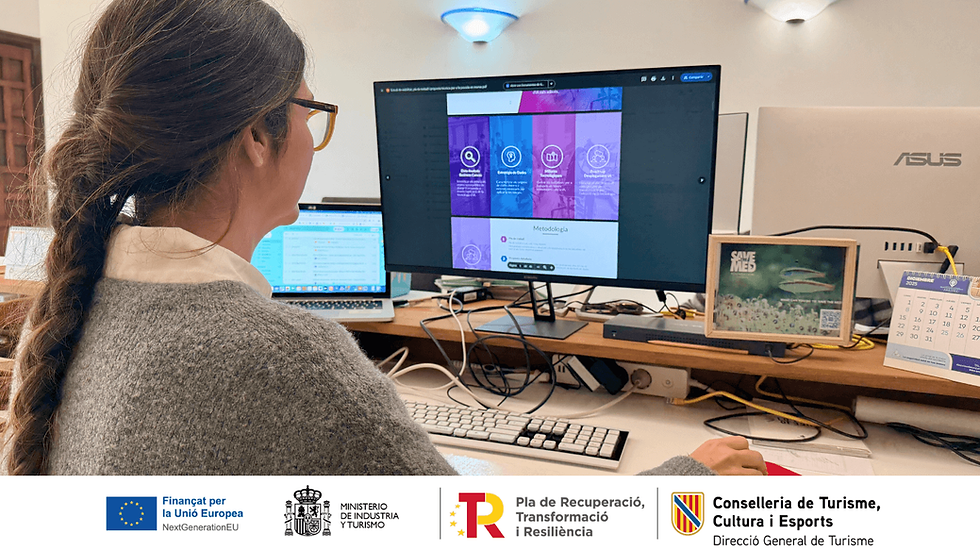
The HAPI method has already proven to be an effective tool for auditing and reducing the plastic footprint of the hotel industry. However, for change to be global, it must be scalable.
The integration of AI solutions will allow for:
Automated Diagnostics: Identifying waste streams more quickly and accurately.
Resource Optimisation: Reducing technical analysis times within establishments.
Driving Circularity: Providing actionable data that helps businesses move away from single-use plastics for good.
This study does more than just analyse theoretical viability; it defines a clear technological roadmap. This action plan is designed to ensure the transition toward circular business models is both accessible and efficient for the Balearic tourism sector, ensuring that sustainability is no longer just an option, but an operational standard.
Strategic Collaboration and Funding
This breakthrough has been made possible thanks to institutional support and a shared vision for a greener future. The initiative was developed under Programme I – Investiga, part of the Recovery, Transformation, and Resilience Plan (PRTR). We are supported by funding from the European Union – Next Generation EU, underscoring the project's importance within the framework of Europe’s economic and ecological recovery.


https://hi88o.com/ hôm trước thấy bạn bè nhắc nhiều quá nên mình cũng bấm vào coi thử cho biết. Mình không có ngồi đọc kỹ hay làm gì đâu, chỉ lướt qua xem giao diện ra sao thôi. Ấn tượng đầu là trang nhìn khá sáng sủa, bố cục thoáng nên không bị ngợp chữ. Mấy phần nội dung được chia theo khối rõ ràng, nhìn một cái là biết chỗ nào thuộc nhóm nào, khỏi phải căng mắt dò. Mình cũng thích kiểu sắp xếp theo hàng/cột gọn gàng, kéo xuống vẫn thấy mọi thứ thẳng thớm chứ không rối. Menu đặt ngay chỗ dễ thấy nên chuyển qua lại nhanh, không phải bấm tìm lòng vòng. Nói chung lướt…
Kubet.latino mình mở trên điện thoại thì thấy trang chạy khá ổn, không bị nặng hay rối mắt. Nội dung được chia thành từng khối nhìn phát hiểu ngay đang ở phần nào, nên lướt nhanh vẫn bắt được ý chính mà không phải đọc kỹ từng dòng, kiểu bố cục gọn gàng nên đỡ mệt. Mình có để ý họ nói kho game hơn 150 trò, và cách họ gom theo sảnh làm danh mục nhìn ngăn nắp hơn hẳn, bấm chuyển qua lại cũng không bị lạc. Không có gì quá màu mè. Mình thích mấy tiêu đề dạng “tổng quan” đặt nổi, kéo xuống là thấy ngay khối thông tin và các nhóm sảnh game được tách…
nhà cái 789f tối qua mình ngồi rảnh vài phút trước khi ngủ nên lướt qua trang cho biết, chủ yếu nhìn cách họ trình bày nội dung chứ không làm gì sâu; kéo xuống thấy các khối thông tin tách ra rõ, đọc lướt vẫn bắt được ý chính. Menu nằm chỗ dễ thấy. Bấm chuyển mục cũng nhanh. Mình để ý họ có ghi con số hơn 500.000 thành viên với tỷ lệ giao dịch thành công 99%, đặt ngay phần giới thiệu nên không cần tìm. Nội dung không bị dồn chữ. Tiêu đề từng đoạn nổi bật. Tông chữ dễ đọc. Nói chung xem vài phút là hiểu trang muốn nói gì, vì phần giới thiệu…
Mình có thói quen xem soi cầu XSMB hằng ngày để nắm nhanh tình hình trước giờ quay, nhất là lúc muốn nhìn lại nhịp ra số mấy hôm gần đây. Khi cần so sánh thêm thì mình ghé qua soi cau mb ở giữa buổi, rồi đối chiếu với mấy bảng dự đoán XSMB kèm thống kê lô gan và lô xiên cho dễ hình dung xu hướng. Trong nhóm mình cũng hay bàn chuyện dữ liệu lịch sử với mấy công cụ quay thử như Rồng Bạch Kim, vì nhìn tần suất thực tế rõ ràng hơn nên đỡ đoán mò. Cá nhân mình thấy dự đoán xổ số miền Bắc không chỉ dựa vào may rủi, mà…